
Heritage
From desert oasis to global icon — understanding where the Valley came from helps us see where it's going.
In the Beginning
The name Las Vegas — Spanish for "the meadows" — comes from the natural artesian springs that made this stretch of the Mojave Desert a vital oasis along early trade and travel routes. Long before the neon, the valley's water was its greatest asset, drawing Indigenous peoples, explorers, and eventually the railroad that would put Las Vegas on the map.
Timeline
Las Vegas was officially established as a railroad town when lots were auctioned alongside the new San Pedro, Los Angeles & Salt Lake Railroad — fixing the city's future as a crossroads of the West.
Nevada legalized gambling, and construction began on the Hoover Dam nearby. Thousands of workers and their wages poured into the region, seeding the economy that would follow.
One of the great engineering feats of the 20th century, the dam tamed the Colorado River, delivered power and water, and became an enduring symbol of the region.
Resorts began rising along Las Vegas Boulevard south of the city limits. The post-war era launched the golden age of the Strip, entertainment, and the modern resort destination.
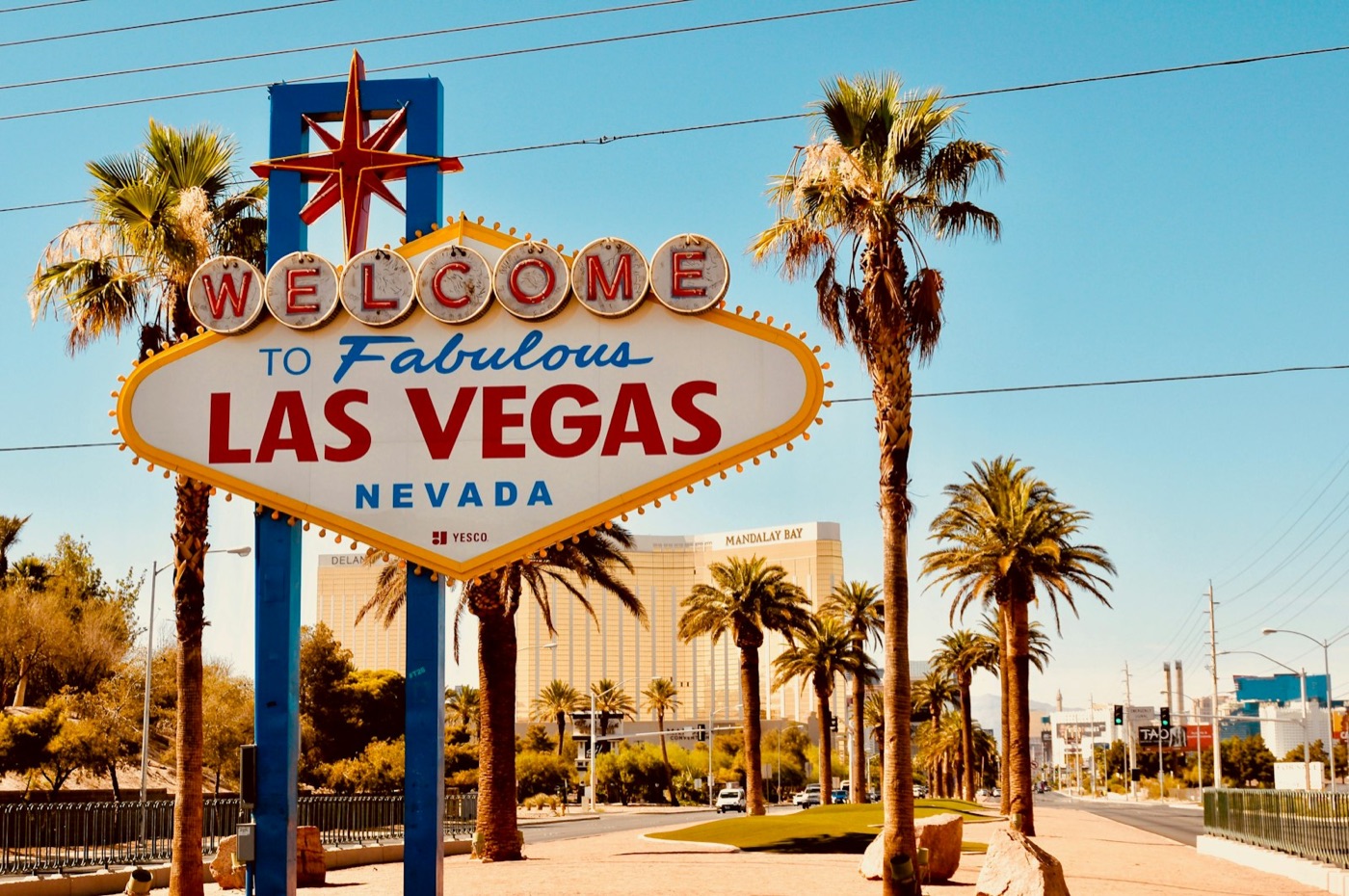
The now-iconic neon sign was installed at the south end of the Strip — destined to become one of the most photographed landmarks in the world.
A wave of themed mega-resorts transformed the Strip into a global entertainment capital, expanding the city's economy and accelerating regional growth.
The Vegas Golden Knights took the ice as the city's first major professional sports franchise, an instant phenomenon that reached the Stanley Cup Final in their inaugural season — and lifted the trophy as champions in 2023.
The NFL's Raiders relocated to Las Vegas, opening the $2-billion Allegiant Stadium. Combined with the WNBA's back-to-back champion Las Vegas Aces, the Valley cemented itself as a true sports city.
The first ground-up Strip resort in over a decade opened, signaling renewed large-scale investment and a new era of hospitality development.
A landmark year: the Sphere debuted as a one-of-a-kind entertainment venue, the Formula 1 Las Vegas Grand Prix returned racing to the Strip, and the long-awaited Fontainebleau Las Vegas finally opened its doors.
Las Vegas hosted its first Super Bowl at Allegiant Stadium — a global spotlight underscoring the city's evolution into a premier destination for major events and live entertainment.
Major League Baseball's Athletics are slated to relocate to a new ballpark on the Strip later this decade, and Brightline West — a high-speed rail line connecting Las Vegas to Southern California — is under construction. The growth story is still being written.
The Modern Era
In less than a decade, Las Vegas transformed from an entertainment capital into a full-fledged sports and live-events powerhouse — and the pipeline of new development keeps growing.
The city's first major pro franchise (2017) and 2023 Stanley Cup Champions, playing at T-Mobile Arena on the Strip.
Relocated in 2020 to the $2-billion Allegiant Stadium — also host of Super Bowl LVIII in 2024.
Back-to-back WNBA champions, bringing a winning culture and growing fan base to the Valley.
Opened in 2023, a global architectural icon and a wholly new category of immersive venue beside the Strip.
Resorts World (2021) and Fontainebleau Las Vegas (2023) added thousands of rooms and renewed Strip investment.
Formula 1 racing returned to the Strip in 2023, a marquee annual event drawing a global audience.
Major League Baseball's Athletics are slated to relocate to a new Strip ballpark later this decade.
A high-speed rail line connecting Las Vegas to Southern California is under construction — a potential game-changer for tourism and commerce.
An expanded convention district and world-class venues keep Las Vegas among the busiest meeting and event markets on earth.
Historical Landmarks
The landmarks that tell the Las Vegas story — and that still shape its identity today.
The 1959 neon landmark greeting visitors at the south end of the Strip.
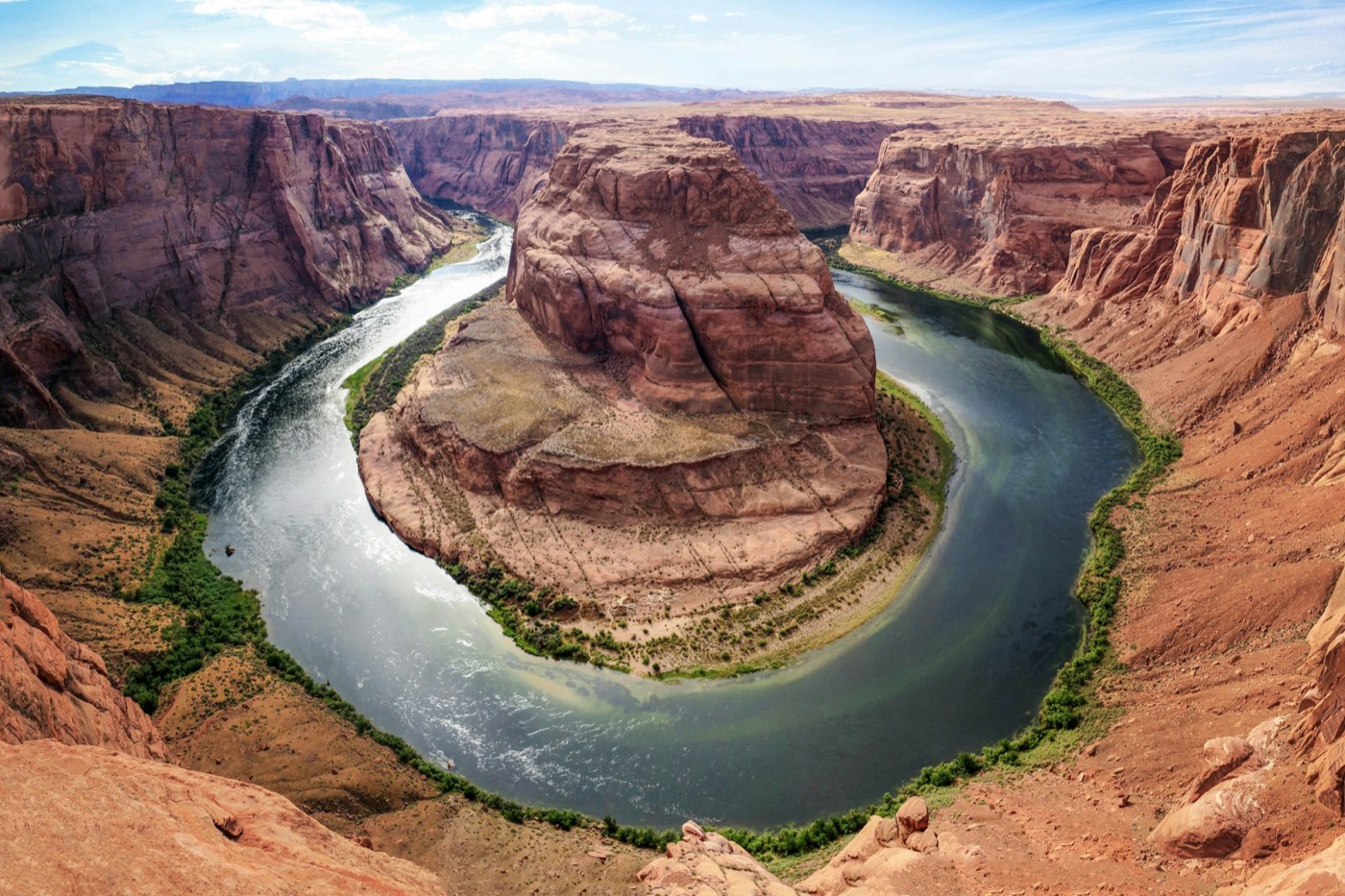
A monumental 1930s engineering achievement that tamed the Colorado and powers the region.
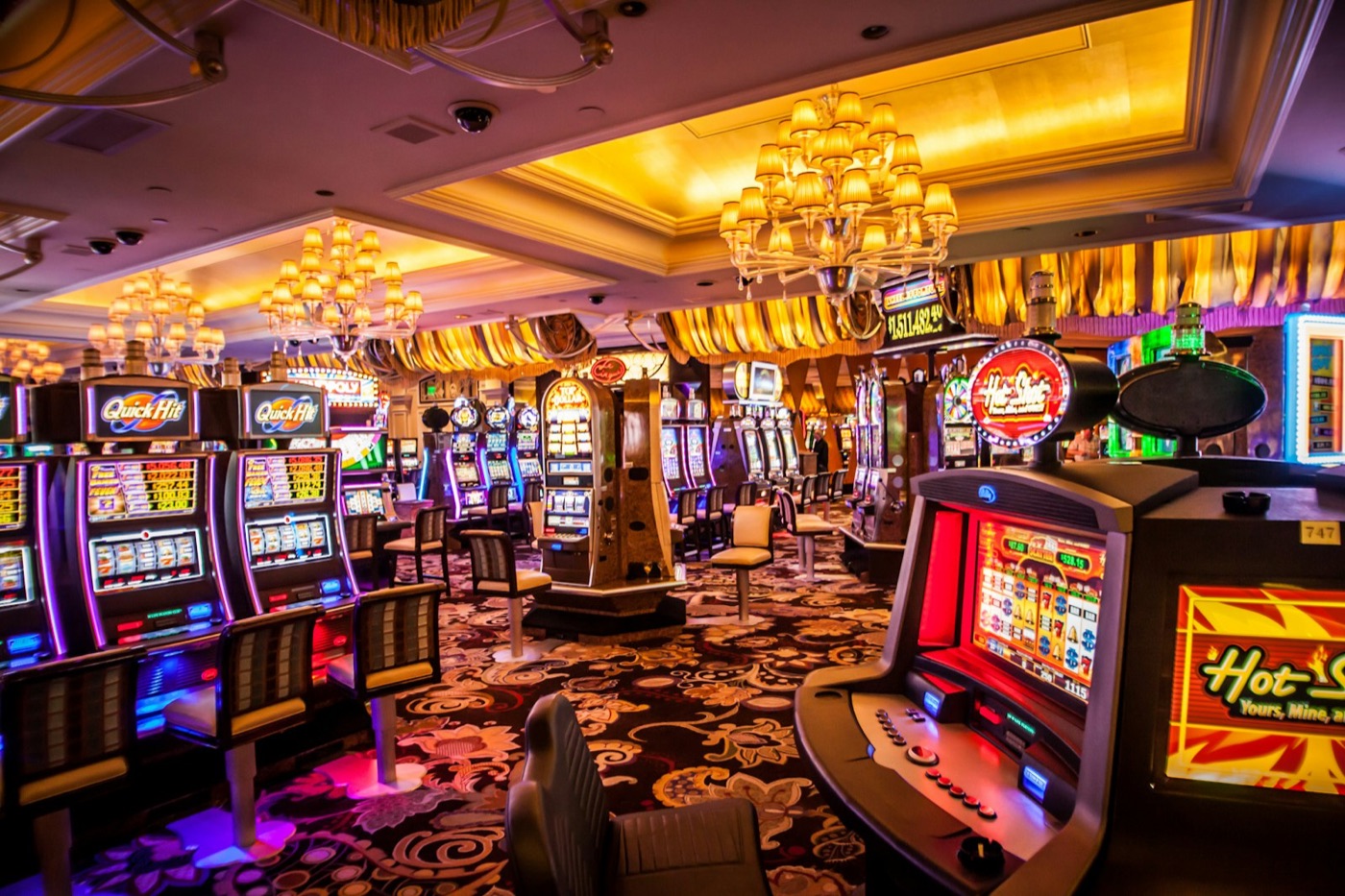
Downtown's historic core and the birthplace of Las Vegas gaming.

Allegiant Stadium, T-Mobile Arena and the Sphere — the venues of modern Las Vegas.
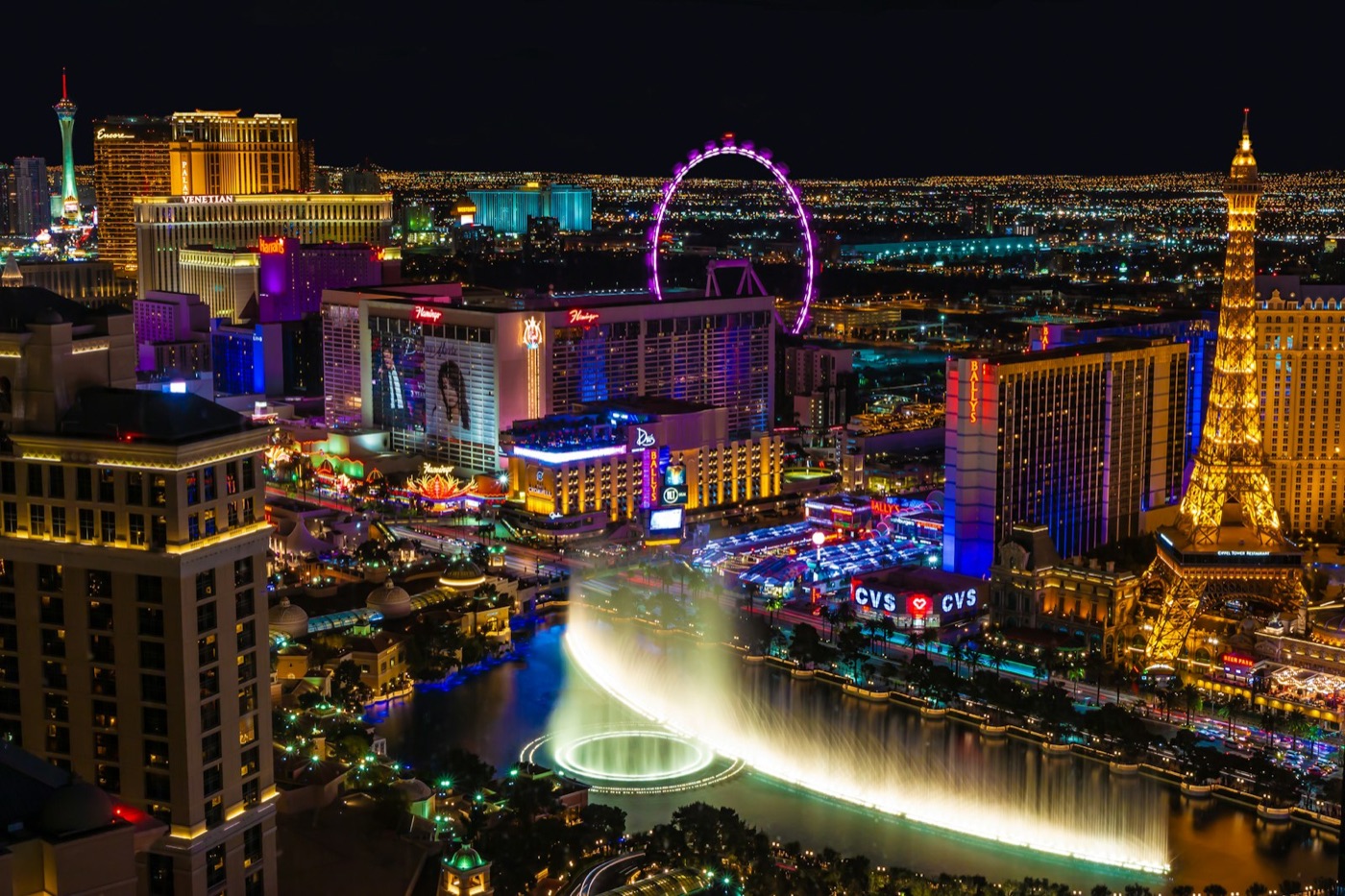
The world-famous resort corridor that defines the modern city.
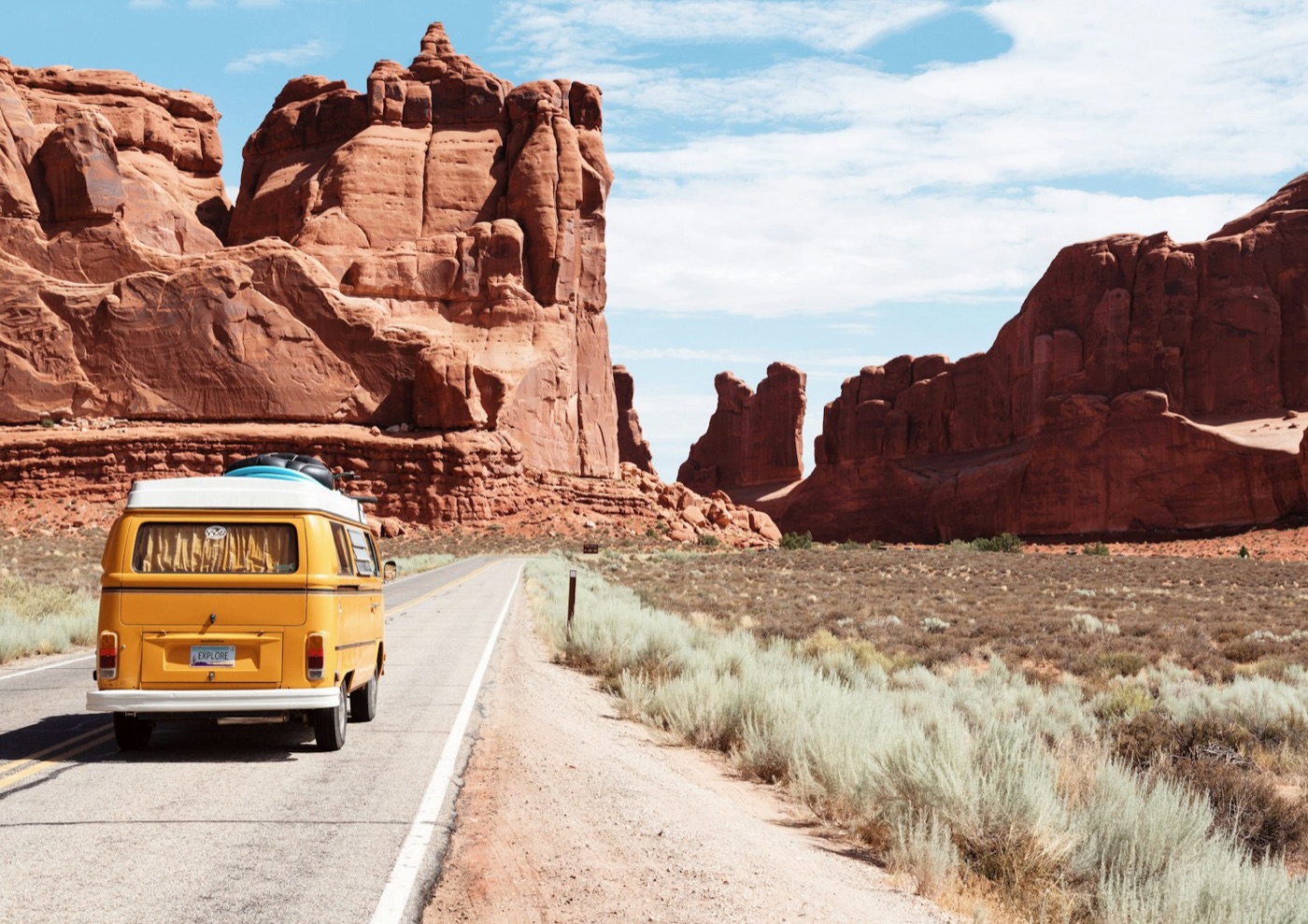
The dramatic desert conservation area framing the Valley's western edge.
Heritage & Real Estate
Las Vegas was built by people who saw opportunity in the desert. That same forward-looking spirit drives the Valley's commercial real estate today.
Understanding how the city grew — along the railroad, around the dam, out from Downtown, and ever outward to Summerlin, Henderson and the Southwest — helps us read the path of future growth. We bring that long-view perspective to every client decision.
Explore Today's Submarkets
Be Part of the Next Chapter
From historic Downtown to the growth corridors, we'll help you find your place in the Valley's story.
Connect With Us